Quick answer
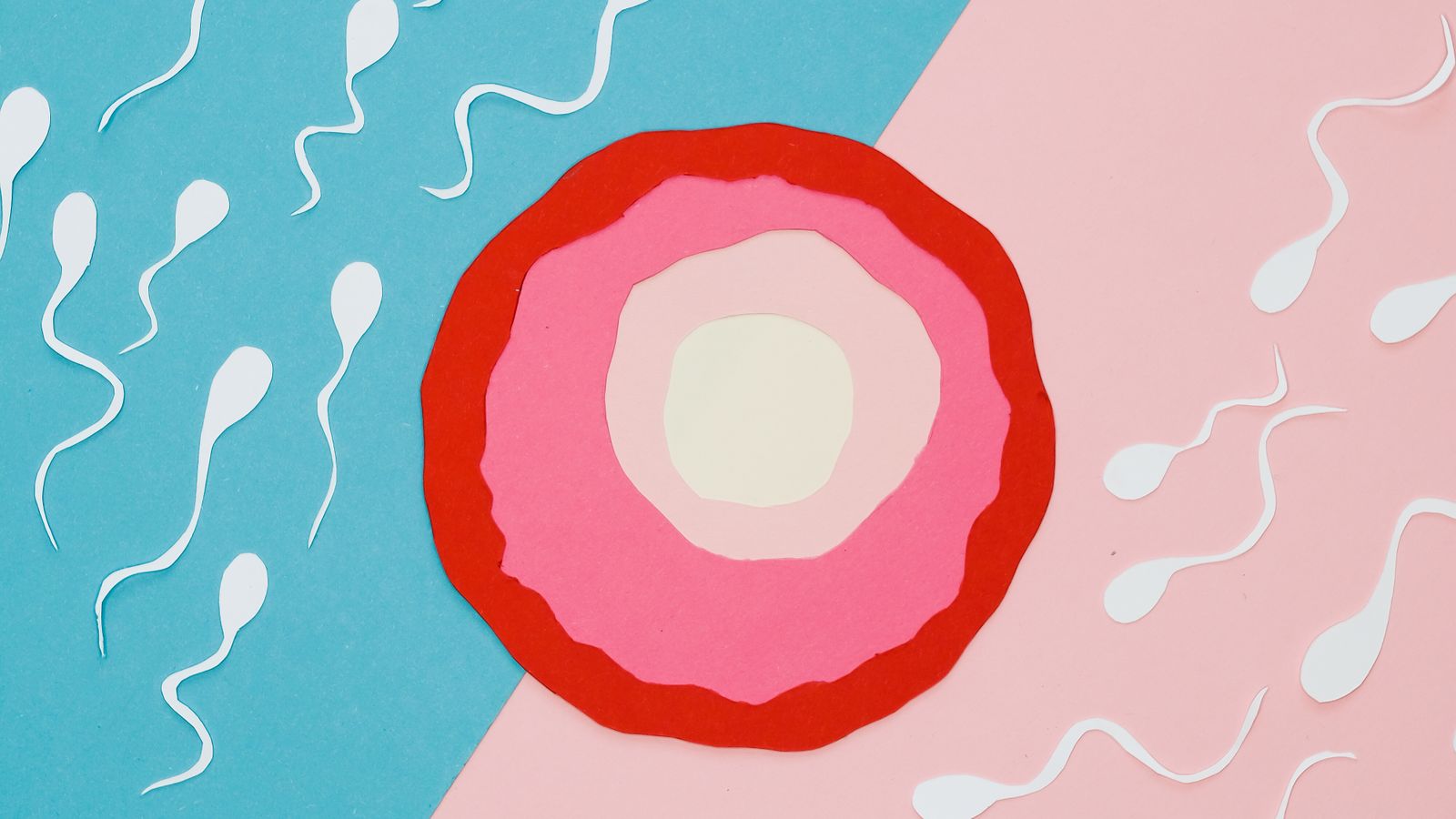
Sperm fertilizes the egg inside the fallopian tube — specifically in the wider outer section called the ampulla, nearest the ovary. After ovulation, the egg is swept into the tube by finger-like fimbriae. Sperm swim up through the cervix and uterus and into the tube to meet it. The fertilized egg then travels down the tube for 3-5 days before implanting in the uterus around 6-12 days after ovulation.
If you were asked, quickly, where a sperm fertilizes an egg, "the uterus" is the answer most people give — and it's wrong. Fertilization takes place well before an egg or embryo ever reaches the uterus. It happens in the fallopian tube. Understanding where and how matters because it explains ovulation timing, the fertile window, ectopic pregnancy, and why fertility treatments work the way they do.
This guide walks through the full journey step by step: the anatomy at play, what actually happens in the ampulla, how long each stage takes, how fertilization becomes implantation, and where the process can go awry. It's the biology behind everything else on this blog — from the menstrual cycle phases to the signs of ovulation to tracking to conceive.
One thing up front: this article is educational, not medical advice. We're the team behind Vyve, a private on-device AI cycle tracker, so consider the source — but nothing here is a diagnosis. For fertility concerns or any early-pregnancy symptoms, please see a clinician.
On this page
- The anatomy you need to picture
- Why the ampulla is where fertilization happens
- The sperm's journey, step by step
- The egg's much shorter journey
- What actually happens at fertilization
- From fertilization to implantation
- Timing: how long does it all take?
- When it goes wrong: ectopic pregnancy
- Tracking the fertile window based on this biology
- How Vyve helps you use this knowledge
- Frequently asked questions
The anatomy you need to picture
Four structures matter here. Working from outside in:
- Ovaries. Two almond-sized organs on either side of the pelvis. They release an egg roughly once per cycle.
- Fallopian tubes. Two narrow tubes running from the ovaries to the uterus. Each tube has three named regions: the infundibulum with its finger-like fimbriae at the ovary end, the wider ampulla in the middle-to-outer portion, and the narrower isthmus closer to the uterus.
- Uterus. A pear-shaped muscular organ where a pregnancy implants and grows. Its inner lining, the endometrium, is what sheds during a period.
- Cervix. The neck of the uterus, opening into the vaginal canal. It regulates what enters the uterus and produces cervical mucus that changes across the cycle.
Sperm are deposited in the vagina, must pass through the cervix, traverse the uterus, and travel most of the way along a fallopian tube before they meet an egg. That's a much longer trip than the popular imagination gives them credit for.
Why the ampulla is where fertilization happens
The ampulla is the wider portion of the fallopian tube, roughly the outer two-thirds nearest the ovary. There are a few reasons this is the fertilization site:
- Geography. The fimbriae at the far end of the tube sweep the newly released egg into the tube, and the egg doesn't travel far before it is met.
- Environment. The ampulla's lining supports both sperm capacitation (the final maturation step sperm undergo) and early embryo development.
- Timing. The egg is only viable for about 12-24 hours after ovulation. It doesn't make it much further than the ampulla within that window.
- Sperm reservoir. Sperm that arrived earlier are held briefly in the tube, released in small waves, and become fully "activated" close to the egg.
The sperm's journey, step by step
- Deposition in the vagina. Ejaculate contains roughly 200-500 million sperm in a typical sample, though only a tiny fraction complete the journey.
- Through the cervix. Cervical mucus around ovulation is thin, clear and stretchy — a hospitable medium sperm can swim through. Outside the fertile window, mucus is thicker and largely impassable. This is why cervical fluid changes matter so much.
- Across the uterus. Uterine contractions help move sperm along. Many are still lost to leukocytes and to the sheer distance.
- Into the fallopian tube. Only tens of thousands of sperm — sometimes fewer — make it this far.
- Capacitation. Sperm undergo a final maturation step in the female reproductive tract that enables them to fertilize an egg.
- Toward the ampulla. A combination of tube contractions, mucus currents and chemical cues from the egg guide sperm to the fertilization site.
- Meeting the egg. A few hundred sperm typically reach the vicinity of the egg. Only one will fertilize it.
| Stage | What's happening | Rough time |
|---|---|---|
| Vagina → cervix | Cervical mucus filters sperm | Minutes |
| Cervix → uterus | Swim + uterine assistance | ~30 min for fastest |
| Uterus → tube | Chemical guidance from egg | Minutes to hours |
| Tube reservoir | Capacitation, waiting for egg | Up to ~5 days |
| Ampulla → egg | Final approach, penetration | Hours |
The egg's much shorter journey
Compared to the sperm's marathon, the egg's journey is a short jog. Once released from the follicle at ovulation, the egg is captured by the fimbriae of the fallopian tube — imagine soft fingers sweeping across the surface of the ovary. It travels only a short distance into the ampulla and stops there. If a sperm meets it within roughly 12-24 hours, fertilization can occur. If not, the egg degenerates and is quietly reabsorbed.
This asymmetry — long-lived sperm meeting a short-lived egg — is why the fertile window is defined by sperm survival, not egg survival. Have a look at our guide to tracking for conception for how this plays out day by day.
What actually happens at fertilization
Zooming in on the moment: sperm cluster around the outer coating of the egg, called the zona pellucida. Enzymes released from their tips (the acrosome reaction) help one sperm penetrate the zona. As soon as a sperm fuses with the egg's membrane, the egg triggers a "block" that hardens the zona and prevents any other sperm from entering — this is the "one and done" moment.
Inside the egg, the sperm's chromosomes combine with the egg's over the next 12-24 hours. The result is a zygote — a single cell with a full complement of chromosomes, half from each parent. This zygote is the biological beginning of a new cell line, and everything downstream — the embryo, the fetus, the eventual person — grows from it.
Key takeaway
Fertilization is a series of steps that takes about 24 hours, not an instant. Only one sperm succeeds, and once it does, the egg locks the door behind it.
From fertilization to implantation
The newly fertilized zygote does not immediately settle in. It begins dividing while still in the fallopian tube — two cells, four, eight — as tiny hair-like cilia in the tube and its gentle contractions push it toward the uterus. By about day 5 after fertilization, it is a small ball of cells called a blastocyst, which enters the uterine cavity.
Implantation into the uterine lining then happens over the next few days. Most implantations occur 6 to 12 days after ovulation, with the average around 8 to 10 days. Once implanted, the developing embryo begins producing hCG — the pregnancy hormone detected by home pregnancy tests.
Timing: how long does it all take?
- Fastest sperm reach the tube: ~30 minutes after ejaculation.
- Sperm survival in fertile mucus: up to ~5 days.
- Egg viability after ovulation: ~12-24 hours.
- Fertilization itself: ~24 hours from sperm-egg contact to combined chromosomes.
- Journey down the tube: ~3-5 days.
- Implantation: ~6-12 days after ovulation.
- Positive pregnancy test: roughly ~10-14 days after ovulation, though a few days earlier or later is common.
Line these dates up with your cycle
Vyve maps ovulation, fertile window, likely fertilization and expected test day onto your actual cycle — not a textbook 28-day one. Private, on your phone.
Try Vyve todayWhen it goes wrong: ectopic pregnancy
Sometimes a fertilized egg implants in the wrong place — most often in the fallopian tube itself, occasionally on the ovary, the cervix or elsewhere in the abdomen. This is called an ectopic pregnancy. It is not viable and, because the fallopian tube can rupture as the embryo grows, it can be a medical emergency.
Please seek urgent medical attention if you have any of the following in early pregnancy or with a positive test:
- Severe one-sided pelvic pain, particularly with dizziness or faintness.
- Vaginal bleeding, particularly with pain, that differs from expected menstruation.
- Shoulder-tip pain (an unusual but classic sign of internal bleeding irritating the diaphragm).
- Any collapse or feeling of severe illness alongside a positive pregnancy test.
Risk factors for ectopic pregnancy include a history of pelvic infection, previous ectopic pregnancy, fallopian tube surgery, endometriosis and some fertility treatments. This is a real, treatable condition — but it is time-sensitive, so any concern is worth calling a clinician about.
Key takeaway
Fertilization normally only happens in the fallopian tube. When implantation happens outside the uterus, it's an ectopic pregnancy — a medical emergency worth learning the warning signs for.
Tracking the fertile window based on this biology
Now that the underlying picture is clear, the fertile-window rules make more sense:
- Sperm need time to reach the ampulla and undergo capacitation, so having sex before ovulation often leads to conception with sperm that were already waiting.
- The egg's short viability window means sex the day of ovulation still works, but the two days before are typically the highest-probability.
- Fertile cervical mucus is essential — it's what makes the cervix passable to sperm at all. This is why cervical fluid changes are such a good early sign.
- After ovulation, the fertile window closes quickly because the egg is gone.
For a practical guide to putting this into a tracking routine, see how to track your cycle to get pregnant and our overview of the signs of ovulation.
How Vyve helps you use this knowledge — privately
Understanding the biology is one thing. Turning it into a real fertile window on your actual cycle is another. That's the gap we built Vyve to fill. Vyve is the private on-device AI cycle tracker that combines cervical mucus, BBT, LH tests, symptoms and history into a picture of when your egg is most likely to be released and where your fertile window falls — updated as you log new signs.
Because Vyve runs its AI on your phone, none of your reproductive data leaves the device. No ad server, no required account, no reselling. If your cycles are irregular, Vyve is honest about the uncertainty; if they're regular, it confirms your rhythm. Either way it gives you a doctor-ready export when you want to share what's going on with a clinician.
Frequently asked questions
Where does sperm fertilize the egg?
Fertilization happens inside the fallopian tube, specifically in the ampulla — the wider outer portion of the tube nearest the ovary. After ovulation the egg is drawn into the fallopian tube by the fringed fimbriae. Sperm that have survived the journey through the cervix, uterus and into the tube meet the egg in the ampulla, where a single sperm penetrates the egg. The fertilized egg then travels down the tube toward the uterus over several days.
How long does it take sperm to reach the egg?
The fastest sperm can reach the fallopian tube within about 30 minutes of ejaculation, though most take longer and many never make it. Sperm can survive in fertile cervical mucus for up to about five days waiting for an egg, which is why sex in the days before ovulation is often the timing that leads to pregnancy. Once an egg is released, it is viable for only about 12 to 24 hours.
How long does fertilization to implantation take?
Fertilization itself takes place over roughly 24 hours in the fallopian tube. The fertilized egg then divides as it travels down the tube for about 3 to 5 days, becoming a blastocyst by the time it enters the uterus. Implantation into the uterine lining typically occurs 6 to 12 days after ovulation, with the average around 8 to 10 days.
Can fertilization happen outside the fallopian tube?
Fertilization normally only occurs inside the fallopian tube. When a fertilized egg implants somewhere other than the uterus — most often in the fallopian tube itself, but occasionally on the ovary, cervix or abdominal cavity — it is called an ectopic pregnancy. Ectopic pregnancies are not viable and are a medical emergency. Any severe one-sided pelvic pain, shoulder-tip pain or unusual bleeding in early pregnancy needs urgent medical attention.
What is the difference between fertilization and conception?
In common language the two are often used interchangeably. Medically, fertilization is the specific moment a sperm and egg fuse to form a single-cell zygote. Conception is a broader term that in some contexts refers to fertilization and in others refers to the establishment of pregnancy at implantation. When precision matters, most reproductive-medicine sources use "fertilization" for the sperm-meets-egg moment in the fallopian tube.
Map fertilization onto your real cycle.
Join the Vyve early-access list for AI that puts the biology onto your actual cycle — private, on your phone, and honest when things are uncertain.
Try Vyve today