Quick answer
Naturally, you can't reliably choose to conceive a girl — the sperm that fertilises the egg determines sex, and the odds are roughly 50/50. The Shettles method for a girl (sex 2–4 days before ovulation, shallower penetration) has weak scientific support. The only reliable sex-selection method is medical PGT with IVF — highly regulated and typically restricted to medical reasons. The most useful thing you can do is track ovulation accurately to maximise your chance of conceiving at all.
Wanting a daughter — sometimes because you already have sons, sometimes for a hundred other reasons — is a very human, entirely legitimate wish. The internet is full of confident techniques for making it happen, and a lot of them are lightly evidenced at best. This guide walks through what the science actually shows so you can make informed decisions instead of following folklore.
We'll cover the biology of sex determination, the Shettles method (and its critics), the diet and lifestyle claims, how to track ovulation reliably, and the ethical and legal realities of medical sex selection. Educational note: this article isn't medical advice. We're the team behind Vyve, the private on-device AI cycle tracker.
On this page
The biology of a girl — the basics
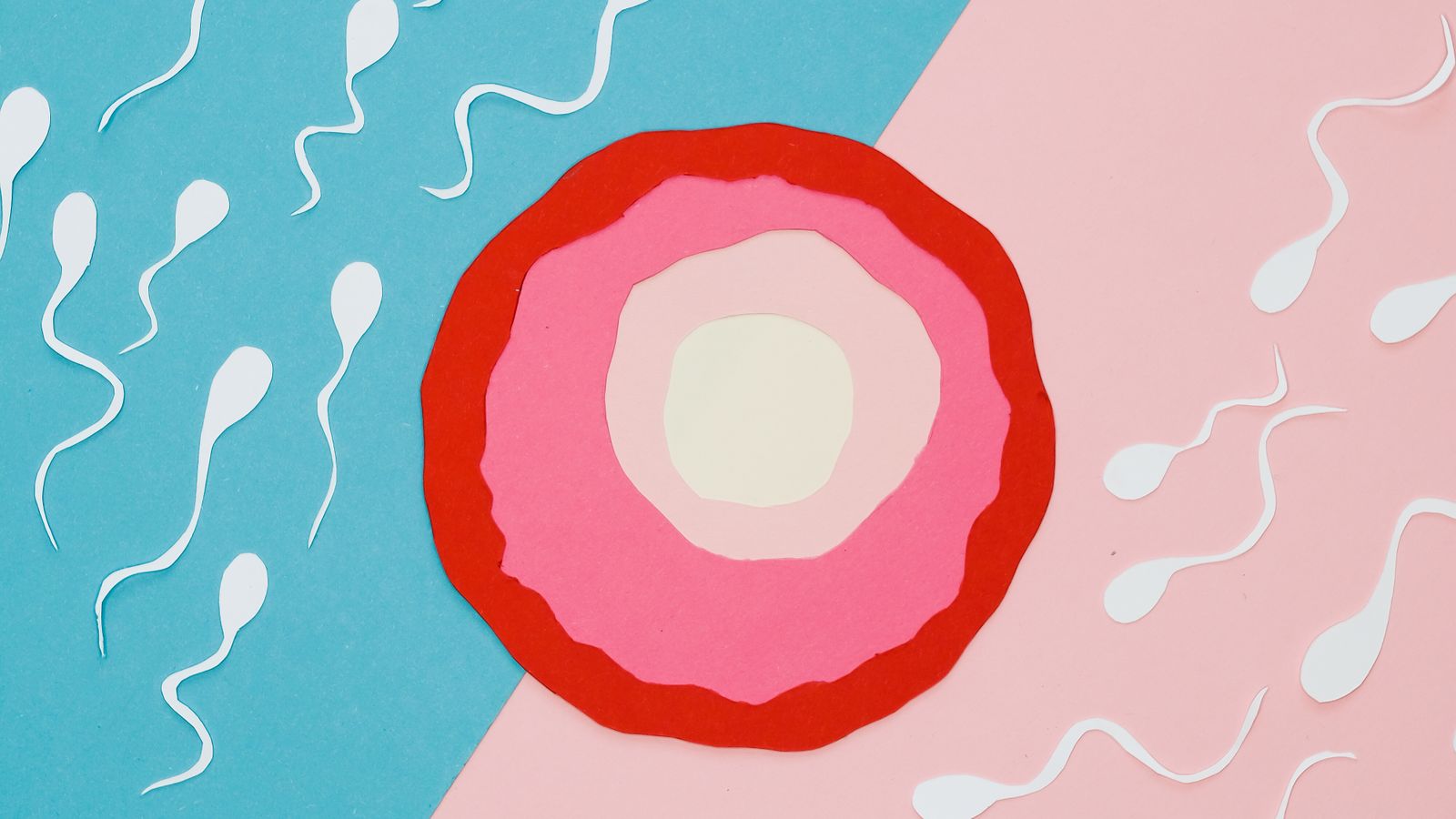
Sex is set at conception by the father's sperm. The egg carries an X chromosome; the sperm carries either an X (girl, XX) or a Y (boy, XY). Which sperm reaches the egg first decides the outcome. The population-level odds are close to 50/50 (with a very slight natural bias toward boys), and there's no maternal factor that reliably tips the balance one way or the other.
Old theories held that X (girl) sperm are slower but longer-lived, and Y (boy) sperm are faster but die sooner — the basis of the Shettles method. Modern research has cast doubt on how meaningful those differences are, and the practical timing implications may be smaller than the theory suggests.
The Shettles method (for a girl) — what it says and what evidence shows
For conceiving a girl, the Shettles method recommends:
- Have sex 2–4 days before ovulation, then stop as ovulation approaches (the theory: only the slower, longer-lived X sperm survive to meet the egg).
- Use positions with shallower penetration (depositing sperm further from the cervix, favouring supposedly hardier X sperm).
- Avoid female orgasm (the alkalinity theory again).
- The father can avoid caffeine and hot environments.
Shettles claimed high success rates, but independent research hasn't consistently supported them. Some studies suggest little to no effect on sex ratio. Also, avoiding sex in the peak fertile window can noticeably lower your overall chance of conceiving — a real trade-off if pregnancy itself is the priority.
It's low risk to try, but honest sources will tell you the evidence is weak.
Key takeaway
The Shettles method for a girl (sex 2–4 days before ovulation, then abstain) is the best-known natural approach, but modern evidence for it is weak. And skipping the peak fertile window may lower your chance of conceiving at all.
Timing before ovulation — what it means in practice
To try the Shettles approach for a girl, you need to know when you're ovulating so you can stop having sex a few days before. Reliable ovulation tracking is the practical piece of the puzzle.
- Cervical mucus. As ovulation approaches, mucus becomes stretchy, clear and slippery — like raw egg white.
- Basal body temperature (BBT). A sustained rise confirms ovulation after the fact. See our guide on basal body temperature tracking.
- Ovulation predictor kits. Detect the LH surge 24–36 hours before ovulation.
- Cycle tracking apps. Combine multiple signals over months for better predictions — especially useful for irregular cycles.
- Other signs. Mittelschmerz (mid-cycle pain), libido shifts, breast tenderness. See our signs of ovulation guide.
For a girl per Shettles: have sex on cycle days when fertile mucus is still light or absent, and stop as fertile mucus, LH surge or other ovulation signs appear.
Trade-off to be honest about: the peak fertile window (from about 2 days before ovulation through the day of ovulation) is when the odds of conception are highest. Deliberately avoiding it can reduce your monthly chance of pregnancy — sometimes significantly.
Diet and lifestyle claims
Popular advice for conceiving a girl includes diets higher in calcium and magnesium (dairy, leafy greens, nuts), lower in sodium and potassium, and lower overall calories at conception. Some small studies have suggested weak associations, but the findings haven't been consistently replicated and shouldn't drive nutrition decisions.
The genuinely useful conception-nutrition advice: both partners should aim for a balanced, nutrient-rich diet; the mother should start folic acid supplementation before conception; alcohol and smoking should be reduced or stopped; sleep and stress matter. That's what actually influences conception health.
Sex-selection dieting has weak evidence. Conception-health nutrition has strong evidence. If you're going to change how you eat, do it for the second reason.
Medical sex selection (IVF + PGT)
The only truly reliable method of sex selection is preimplantation genetic testing (PGT) combined with IVF — embryos are tested and only ones of the desired sex are transferred. Success rates approach 99% for those cycles where a healthy embryo of the desired sex is available.
- IVF is expensive, invasive and time-consuming.
- Sex selection for non-medical reasons is legally restricted or prohibited in many countries. Medical uses (avoiding sex-linked genetic conditions) are typically permitted where the technology is available.
- There are meaningful ethical debates about elective sex selection.
- Discuss with a fertility specialist for your local laws, options and ethical considerations.
Methods compared
| Method | Effect on odds | Notes |
|---|---|---|
| Random timing | ~50/50 | Baseline |
| Shettles (girl) | Disputed, likely small if any | Low risk, may reduce conception odds |
| Diet swaying | Weak, inconsistent evidence | Nutrition matters for conception health regardless |
| Sperm sorting (unregulated) | Small–moderate claimed | Regulatory status varies |
| IVF with PGT | Near 99% reliable | Expensive, invasive, legally restricted for non-medical use in many countries |
Track your fertile window honestly
Vyve tracks cycles, BBT and cervical mucus to give you a realistic fertile window — the biggest lever in trying to conceive whether you follow a swaying method or not. Private, on your phone.
Try Vyve todayWhen to see a doctor
- If you've been trying to conceive for 12 months without success (or 6 months if you're 35 or older).
- If your cycles are very irregular or you suspect PCOS or another condition affecting ovulation.
- If you're considering IVF, PGT or other assisted reproduction.
- If you have a family history of sex-linked genetic conditions.
- For preconception counselling — nutrition, folic acid, medications, general health optimisation.
The flag, simply
If sex-selection timing is significantly reducing your conception odds and it's been many months, talk to a clinician. Fertility itself is the bigger question.
How Vyve helps you track ovulation — privately
Whether your goal is family balancing or simply healthy conception, knowing your ovulation window is the single most useful thing you can do. Vyve, our private on-device AI cycle tracker, is built for exactly this.
Vyve tracks your cycle, cervical mucus notes, BBT and symptoms — and handles irregular cycles honestly, unlike most apps that force a textbook 28-day picture. Over months, the app builds a realistic fertile window with confidence intervals, so you can time sex around ovulation with more accuracy.
Everything runs on your device with no required account and nothing sold or shared. For data as personal as fertility tracking, that matters.
Frequently asked questions
Can you actually influence whether you conceive a girl?
Naturally, not by much. The 50/50 odds are set by the father's sperm. Timing methods like Shettles claim to shift the odds slightly but have weak evidence. Medical PGT with IVF is the only reliable method — regulated in many countries.
What is the Shettles method for conceiving a girl?
Have sex 2–4 days before ovulation and stop as ovulation approaches, use shallower penetration, and the father avoids caffeine and hot environments. Evidence in modern studies is weak.
Does diet affect having a girl?
Some small studies suggest weak associations (higher calcium/magnesium, lower calories) but haven't been consistently replicated. Focus nutrition on general conception health, not sex selection.
When is the best time to have sex to conceive a girl?
Shettles suggests 2–4 days before ovulation, then avoiding sex around ovulation itself. Track ovulation with cervical mucus, BBT, OPKs and a cycle tracker — but note this timing can reduce your overall chance of conceiving.
Is trying to conceive a girl safe?
Natural methods are low risk, but avoiding the fertile window can reduce conception odds. Medical sex selection is regulated and often restricted to medical reasons.
Educational, not medical advice. For fertility concerns or medical sex selection, please talk to a qualified clinician.
Track ovulation honestly. Keep it private.
Join the Vyve early-access list for AI that tracks your fertile window realistically — all on your phone, never on an ad server.
Try Vyve today